

There are some soap villains who feel dangerous because of the writing.
And then there are villains who feel dangerous because an actor fully disappears into the role.
That’s what makes Ross Cullum so effective right now.
In one image, he looks cold, hostile, and almost feral — the kind of man you would not want anywhere near a crisis. In another, Andrew Hawkes looks relaxed, approachable, and completely ordinary, smiling casually in a way that makes the on-screen version feel even more unnerving by comparison.
That contrast may be the most impressive thing about the performance.
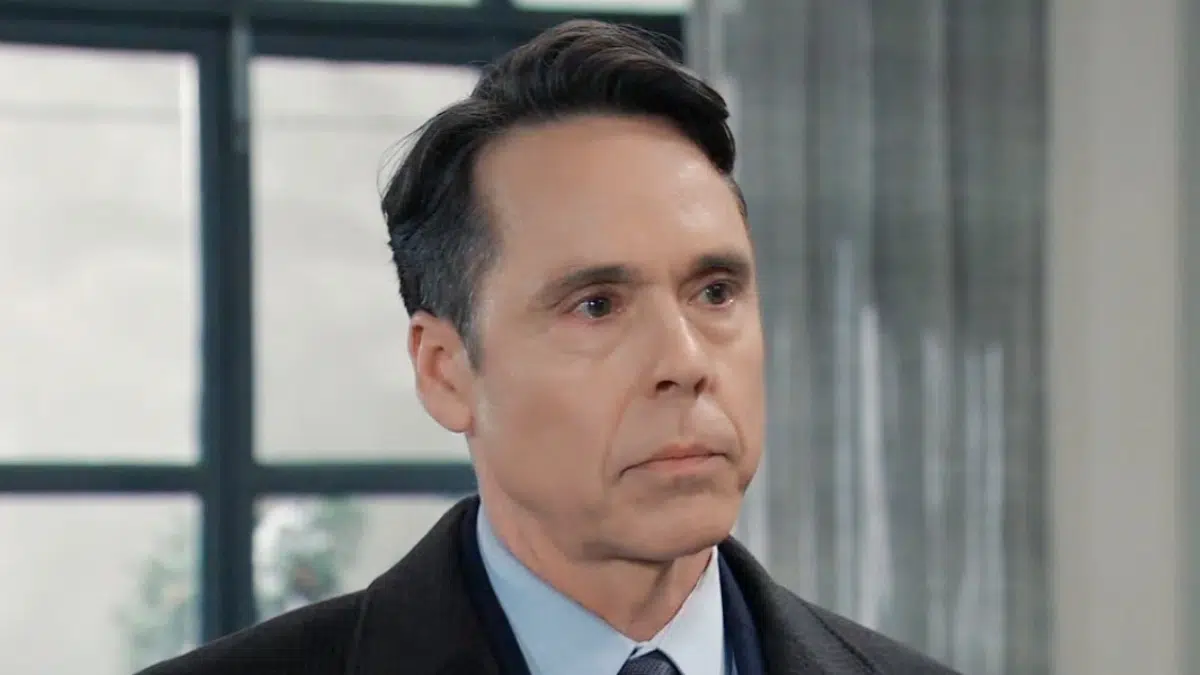
On Screen: Pure, Controlled Menace

What makes the on-screen version so striking is how instantly it sells menace. The expression is tight. The jaw is clenched. The body language feels sharp and aggressive. Nothing about that frame feels soft or accidental.
It looks like a man operating on pure threat.
And that matters, because performances like this only work when viewers forget there is an actor underneath the character. In a single still, Cullum does not look like a performer “playing bad.” He looks like someone who has already crossed a line and is ready to cross another.
Off Screen: A Completely Different Person

The off-screen image changes everything.
Instead of tension, there is ease. Instead of menace, there is warmth. Instead of a man who looks like chaos, you get someone who looks grounded, friendly, and completely detached from the darkness of the role. The glasses, the relaxed smile, the casual setting, even the dogs — all of it works against the image viewers have built in their heads while watching Cullum terrorize Port Charles.
That is exactly why the contrast lands so hard.
Why the Best Villains Come From Actors Who Don’t Carry the Darkness
The best νіllаіns often come from actors who do not carry that energy in real life.
When the off-screen version feels this normal, it throws the performance into sharper focus. It reminds viewers that what they are responding to on screen is not just costume, lighting, or plot — it is control. It is craft. It is the actor making deliberate choices that transform a familiar face into someone viewers instantly distrust.
That is what this contrast reveals.
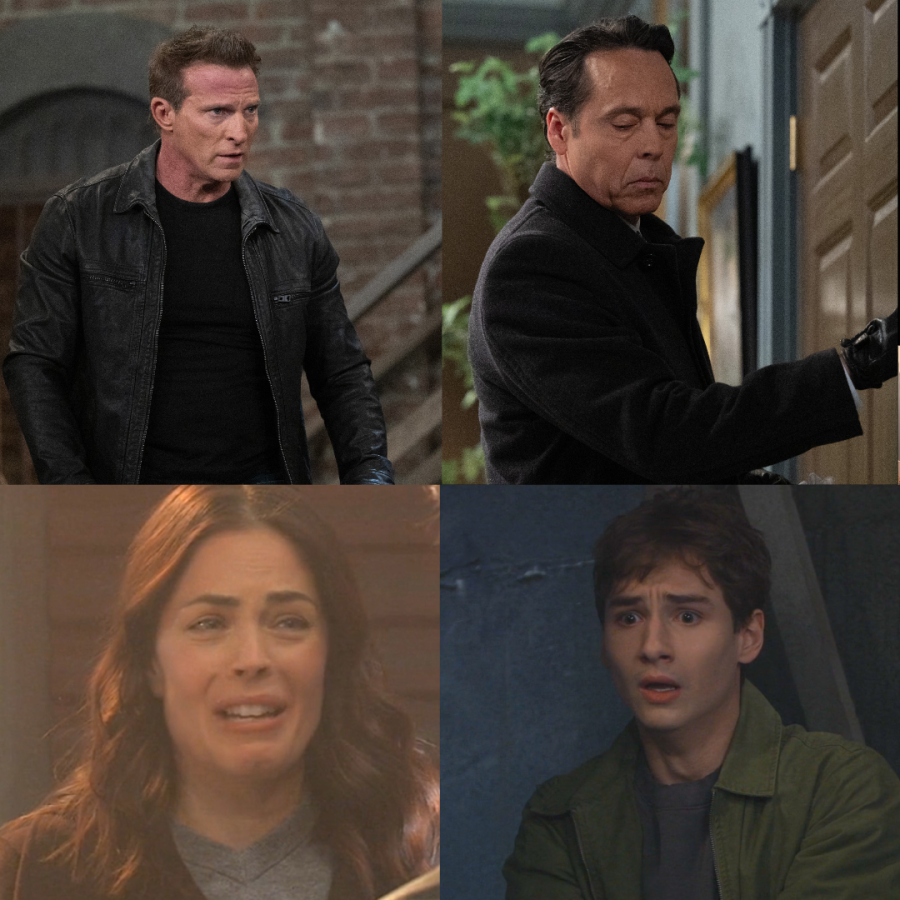
In fact, Hawkes has spoken about trying to bring something human to Cullum rather than playing him as a one-note νіllаіn, which makes the split between the character and the man behind him even more interesting.
Because the point is not that Andrew Hawkes secretly “looks like” Cullum in real life.
It is the opposite.
The point is that he doesn’t.
That ordinary, off-duty warmth is what makes the on-screen version feel more transformed, more intentional, and more effective. The distance between those two images — from the cold-blooded WSB director to the man smiling with his dogs — is the proof.
And maybe that is the real takeaway here: not just that Cullum looks dangerous on screen, but that Andrew Hawkes has made the transformation convincing enough that fans genuinely feel the difference when they see him outside the role.
One image sells fear.
The other sells humanity.
Put them side by side, and the performance speaks for itself.


